
imtoken · Multi-chain digital wallet
Manage Multi-chain Assets and Connect to Web3 with Clarity
A multi-chain wallet, blockchain network and Web3 knowledge hub from imtoken
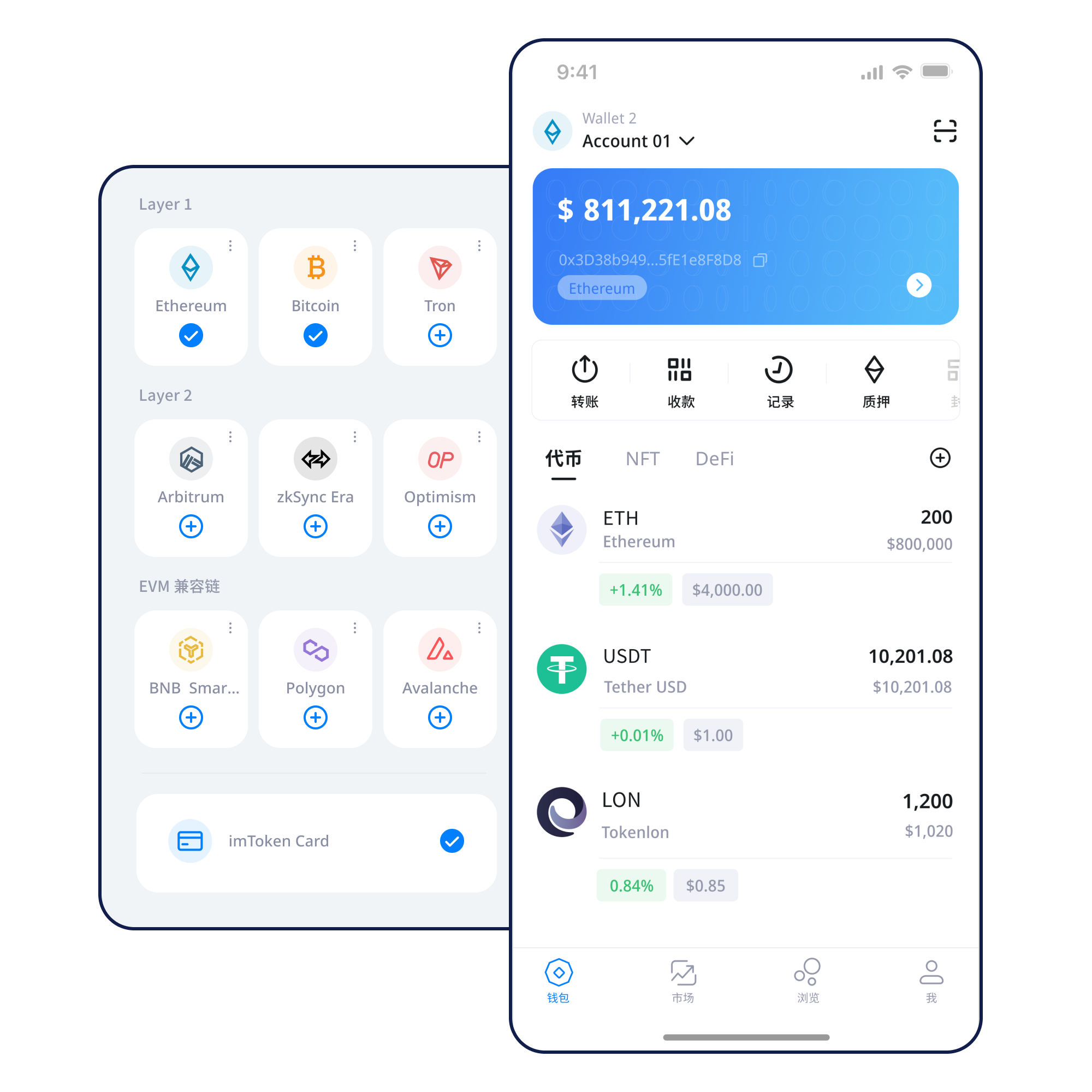
Manage assets across networks, review send and receive details, understand DApp connections and token approvals, and build practical knowledge around networks and wallet security.
Open guide →
Open guide →
Open guide →
Open guide →
Open guide →
Wallet capabilities
From viewing assets to on-chain actions, keep every decision clear
A wallet organizes multi-network information and submits on-chain requests. Networks, contracts and user confirmation determine outcomes, so each capability should be understood on its own terms.
Multi-chain assets
Separate an asset’s network, address format, gas asset and confirmation state. Similar names and address formats do not make contracts or networks equivalent.
Understand multi-chain →Send & receive
Confirm network and address for receiving; before sending, review amount, gas, transaction details and the final confirmation.
View the workflow →imtoken APP
Review assets, networks and activity on mobile while treating every DApp request as a separate decision.
imtoken Web
Use the browser environment to inspect connections, account requests and approvals. A connection never makes later signatures automatically trustworthy.
Explore Web use →Wallet security
Seed phrases and private keys remain under user control; never send them to anyone or enter them into untrusted pages.
Blockchain networks
Understand the network before moving assets
Multi-chain
One wallet can understand several networks, but every action still needs a clear chain, fee asset and settlement path.
Read more →Public chains
Nodes, blocks, transactions and confirmations form a verifiable public ledger state.
Read more →EVM
EVM networks share a contract execution model while chain IDs, gas, assets and deployments remain independent.
Read more →Layer 2
Scaling networks maintain a defined relationship with mainnet; cross-layer actions require bridge and exit context.
Read more →Gas & confirmations
Fees and confirmation times change with network conditions; transaction hashes help verify later status.
Read more →Usage path01 02 03 04 05 06
A six-step path to a repeatable wallet routine
Get imtoken
Use the official download entry and avoid unverified installers.
Create or import a wallet
Understand the difference between creating and importing, and keep control of recovery material.
Back up offline
Keep seed phrases offline and never disclose private keys.
Select and verify the network
Check the network, address and fee asset before sending.
Receive or send assets
Confirm the destination network, amount and final request details.
Review transactions and approvals
Verify status by transaction hash and review DApp approvals you no longer need.
Web3 & DApp
Treat connections, signatures and approvals as separate decisions
Connecting a wallet does not mean every signature request should be approved. Review each signature and approval independently.
Open Web3 guide →Visit a DApp
Verify the domain
Start connection
Review account request
Inspect signature or approval
Complete the action
Disconnect unused sessions
Security
Security comes from decisions you can verify
Wallet security comes from a set of repeatable habits that can be verified. Keep recovery material private, verify network, address and amount before transfers, and review DApp connections, signatures, transactions and approvals separately. Public devices, untrusted networks and remote-control sessions add risk. On-chain transactions are generally not reversible by a wallet, making pre-confirmation review essential.
Open Security Center →- Back up seed phrases offline
- Never disclose private keys
- Verify network and address
- Inspect signature requests
- Manage DApp approvals
What Should You Understand Before Using a Digital Wallet?
Start with addresses, seed phrases, private keys and networks, then move into gas, transaction hashes, DApps and approvals. Learning in the order you use these concepts makes later decisions easier to verify.
Read the starter guide →Ethereum · PoS
Understand validation mechanics without treating staking as a fixed-return product
Ethereum Staking Basics
Ethereum PoS uses validators for attestations and block proposals. Rewards depend on protocol conditions, while exits and withdrawals can involve waiting periods.
Learn Ethereum staking →What to understand before participating
Validators can face protocol penalties, smart contracts carry technical risk, digital asset prices fluctuate, and third-party services can add risk. Staking does not guarantee rewards.
Explore PoS and validators →Product & security updatesProduct Notice Network Security Notice Service
Recent guidance and notices
How to read wallet and network context
Confirm the network before reading asset and transaction details to reduce cross-network mistakes.
Confirmation timing can vary
Congestion and protocol rules can affect fees and confirmation timing.
Never share recovery material
Seed phrases, private keys and verification codes should not be shared through chat, forms or remote-control tools.
Use the official imtoken download entry
Check the source before installing or updating and keep the device environment under your control.
FAQ
Frequently asked questions
A seed phrase can derive wallet keys, while a private key directly signs for a specific account. Keep both private.
Assets and fees exist within a network context. Sending on the wrong network can lead to loss or a difficult recovery path.
Gas is the fee mechanism used by many networks to price execution and transaction inclusion.
No. Connection, signature, transaction and token approval are different actions and should be reviewed separately.
No. Seed phrases and private keys are controlled by the user and should never be sent to anyone.
No. Rewards can change, exits may take time and validators may face penalties or technical risk.
Get imtoken from the official entry
Get imtoken through the official entry and verify the source and device security before installation.